
Category: Multicultural
-
How to Understand, Compare, and Reward different cultures

1. The impact of differences in perception induced by the distinctive cultures It’s imperative to dissect the profound impact of differing perceptions sculpted by the rich mosaic of negotiators’ backgrounds. These perceptions are amplified by variables including time, distance, personal relationships, decision-making styles, contracts, laws, ethics, and risks, shape the very essence of these interactions.…
-
How cognitive and affective processes shape our emotions

A scientific approach to effective Cross-Cultural communication You have the power to shape your reality with your mind and heart. How you think and feel determines how you connect with people from different cultures and backgrounds.Let’s explore the secrets of your brain and emotions, discover what drives your behavior, and create a world where you…
-
Culture matters: how to avoid conflicts and achieve win-win outcomes in international negotiations

How to Negotiate across cultures Stereotypes, prejudices, and subjectivity are inevitable responses to managing complexity.These elements are natural responses to the complexities we encounter. However, their destructive potential arises from their misapplication. 1. Understanding culture and its dimensions The geopolitical context of your interlocutors’ countries plays a crucial role in negotiations. In the ever-evolving landscape…
-
Global negotiation styles, Cross-Cultural impact, and performance measurement

How culture influences our data perception Performance measurement is crucial in our globalized environment, but did you know to what extent culture influences this measurement? Cultural differences affect how we interpret performance indicators, which has a significant impact on our responses to data. To excel in the world of negotiations, understanding the diverse approaches employed…
-
The Impact of the 4 different styles of communication on intercultural relations

Understanding and using the different styles, an essential skill for intercultural competence. Communication is a vital skill in any professional or personal context. Whether you are a manager, a customer, a supplier, a partner, or a colleague, you need to be able to adapt your communication style to the person you are talking to. However,…
-
Cross-Cultural communication: Challenges and strategies for avoiding misunderstandings

The Art of communicating according to cultures Different cultures have different ways of communicating, and this can lead to misunderstandings in a multicultural context. For example, the pause observed between each speaking turn is three tenths of a second for the French and five tenths for the Americans. The French also tend to speak fast…
-
The secrets to building a successful team?

How to harness the power of cognitive diversity in teams You may have heard of the DISC (Red, Blue, Green, Yellow) or Hermann (Left, Right, Brain, Lymbic) psychological models and tests which are theories about individual preferences (1) (2). These tests are based on a simple idea: that each of us has a different way…
-
International business seen by export managers

Despite the feeling, the planet in which we live doesn’t shrink. There are just more and more people on it. Let us share with you the exchanges between export managers from all over the world sharing their vision of export. The question was “In your opinion, what are the critical factors for export success?” The…
-
Communication tips according to cultures

The art of avoiding misunderstandings We invite you today to dive into the world of high-level intercultural management. We are in a world of contact and today there is over-communication, ie excessive information. Who says overcommunication, also says no more communication at all because we all know that the more messages there are and the…
-
Your brain is deceiving you. What does this image inspire in you?
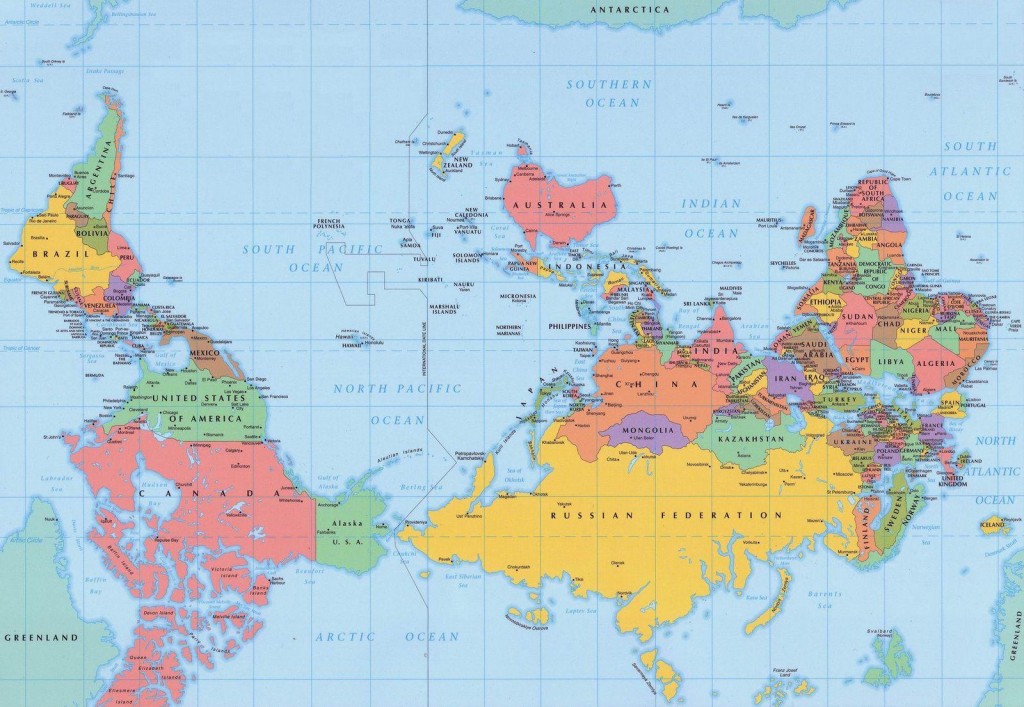
Look at this map of the world. What inspires you?How does it change your perception of reality?What do you remember? Due to obstacles coming from the sheer volume of information we have to process every day, we avoid seeing the world as it is. We actually perceive only a very small part of reality. We…
 Happy CEO