
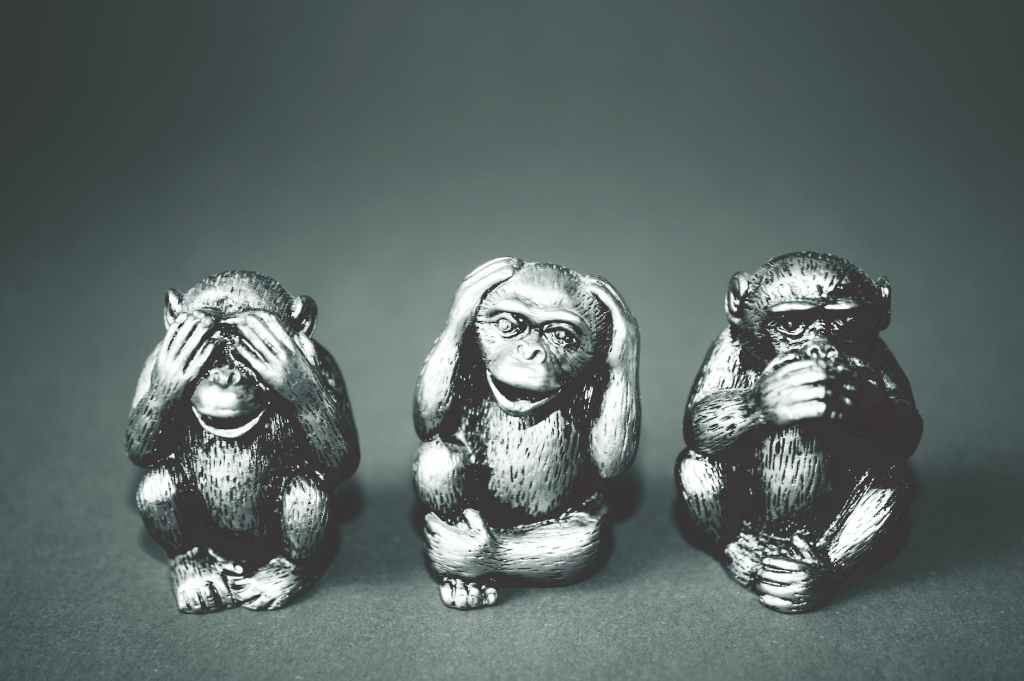
Words matter, but so do gestures, expressions, and tone.
Communication is more than words.
It’s also how we use our body, our voice, and our eyes to convey our message. How we sit, speak, and look at someone can make a big difference in how they understand us.
When we negotiate, we need to be aware of both our verbal and nonverbal communication. We need to choose our words carefully, but also pay attention to how we say them and how we react to others.
“Smart negotiators don’t just listen to the words, they also watch the body language. They look for clues that reveal the true meaning behind the words.”
Verbal communication is the words we use. It’s important, of course, but it’s not the whole story. Sometimes, what we say is not what we really mean or feel.
Nonverbal communication is everything else
It includes:
- How we sound: our tone, volume, speed, and clarity
- How we emphasize: our rhythm, intonation, and stress
- How we look: our facial expression and eye contact
- How we move: our gestures and touch
- How we position: our body language and posture
Research (1) shows that when we communicate feelings and attitudes, only a small part of the message comes from the words we use.
Most of the message comes from our body language (especially the small muscles around our eyes that show surprise, disbelief, doubt, or disgust). Some of the message comes from our tone of voice. Very little of the message comes from our words.
Real-life negotiation scenarios
- An American negotiator smiles and gestures a lot in China, but the Chinese negotiator feels attacked and lied to. He distrusts him and the negotiation collapses.
- A German exporter shows his machinery and offers a good deal to a Brazilian importer, but the importer says he is not angry while he looks away, frowns and clenches his teeth. He deceives him and the negotiation stalls.
- A French negotiator is calm and avoids eye contact in Japan, but the Japanese negotiator feels ignored and unhappy. He resents her and the negotiation deteriorates.
So it’s not just what we say, but how we say it that matters most, especially when we express feelings and attitudes. Our tone of voice can show anger, frustration, disappointment, sarcasm, confidence, affection, or indifference.
Sometimes, our verbal and nonverbal messages are consistent, but sometimes they are not.
When someone’s words don’t match their voice and body language, we tend to trust the nonverbal cues more than the words.
How to avoid mixed signals
We often send out nonverbal signals that contradict or undermine our words.
This can confuse or offend the people we’re trying to communicate with. Some of the things that can mess up our nonverbal communication are:
- Stress: When we’re under pressure, we tend to misread other people’s signals and send out negative or inconsistent ones. This can lead to unproductive behaviors like yelling, blaming, or being impatient.
- Well-being: When we’re feeling sick or unhappy, we tend to focus on the negative aspects of the conversation and send out signals of indifference or hostility.
- Distraction: When we’re not fully paying attention to the person we’re talking to (for example, when we’re checking our emails while chatting with a colleague), our nonverbal signals will show that we don’t care. We might give the impression that we’re bored or not listening, even if that’s not true.
How to communicate better
To communicate effectively (and honestly), we need to be aware of our own emotions and the nonverbal signals we send to others.
Here are some tips to help you improve your communication skills:
- If you’re feeling stressed or unwell, postpone important conversations until later. By reducing your stress levels, you’ll be able to interact more positively and effectively with others.
- Be mindful of your thoughts and expressions. Don’t let your mind jump to conclusions or your face betray your thoughts. Try to be open and curious about what the other person is saying or might say. This will help you avoid eye movements that might show your disbelief or discomfort.
- Be consistent. Your nonverbal cues should match your verbal message. Make sure they don’t contradict each other.
- Give your full attention to the other person. Show them that you’re “present” and that you want to understand them. To show you care:
- Lean slightly towards them.
- Face them directly.
- Maintain eye contact.
- Adopt an open and relaxed posture (don’t cross your arms).
- Send signals that show your understanding. Let them know that you understand and care about what they’re saying by using these nonverbal cues:
- Nods and appropriate facial expressions.
- Phrases like “Ah!”, “Hmm!”, “Oh!”, combined with matching eye and facial gestures.
Using nonverbal signals effectively can help create a climate of trust and transparency, which can greatly improve the quality of our relationships at work.
In summary,
- Communication involves more than just words; it encompasses gestures, expressions, and tone.
- Nonverbal communication includes body language, tone of voice, and facial expressions.
- In negotiations, it’s crucial to pay attention to both verbal and nonverbal cues.
- Body language often conveys the true meaning behind words.
- Nonverbal communication components include tone, volume, speed, clarity, rhythm, intonation, stress, facial expression, eye contact, gestures, touch, body language, and posture.
- A small part of communication comes from words, with the majority coming from body language and tone of voice.
- Consistency between verbal and nonverbal messages is important for effective communication.
- Inconsistencies between words and nonverbal cues can erode trust.
- Factors like stress, well-being, and distraction can affect nonverbal communication.
- To improve communication, manage stress, be mindful of thoughts and expressions, and give full attention to others.
- Be consistent in your nonverbal cues to match your verbal message.
- Show you care and understand others through gestures like leaning towards them, maintaining eye contact, and using appropriate nods and facial expressions.
- Effective use of nonverbal signals can build trust and enhance relationships at work.
“Few realize how loud their expressions really are. Be kind with what you wordlessly say.”
Richelle Goodrich
References :
 Happy CEO