
From silos to synergy: The lethal advantages of process-centric business models
One of the key lessons we learned from running companies is that you need to have a clear vision of what value you are delivering to your customers, and how you are delivering it.
One of the trends we noticed is that many of them are moving away from the traditional structure of departments and functions, and adopting a more process-oriented approach.
That’s why we’re always interested in learning from other successful companies, especially in the tech sector.
Instead of having separate services for different activities, they have integrated processes that span across the entire organization.
Spotify business case : Spotify is a music streaming service that uses a people-driven, autonomous approach for scaling agile that emphasizes the importance of culture and network. Spotify organizes its teams into cross-functional, self-organizing units called Squads, which focus on one feature area. Squads are grouped into Tribes and Guilds to help build alignment and knowledge sharing across the organization. (1)
Forget about departments and functions. They are relics of the past, designed to keep people in silos and stifle creativity.
What matters today is delivering value to your customers, and that requires a different way of thinking and working.
“The value stream is the critical pathway that transforms raw inputs into a finished product, where every step should add value to the customer. Understanding and optimizing this flow is the essence of process improvement and efficiency in modern business.”
Instead of organizing your company around static services, think of it as a dynamic system of processes.
Processes are actions that create value for your customers, and they cut across departments and functions.
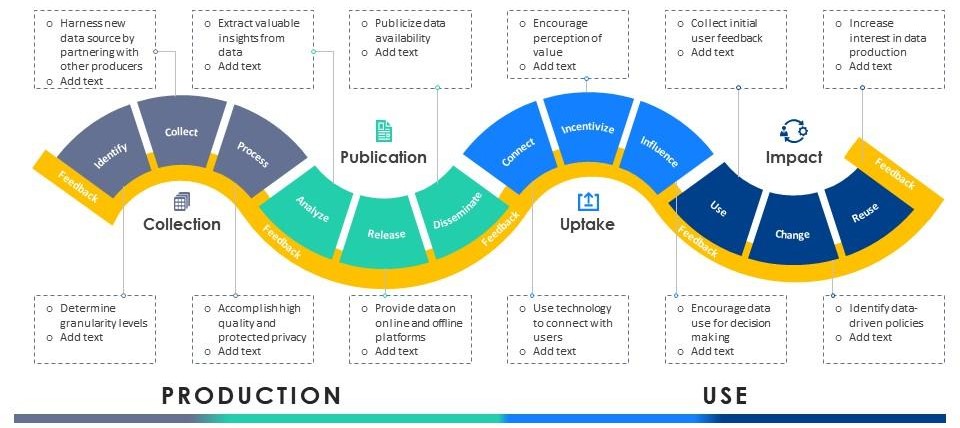
Processes are verbs, not nouns, defining what the company does
These processes are verbs, not nouns. They describe what the company does, not what it is.
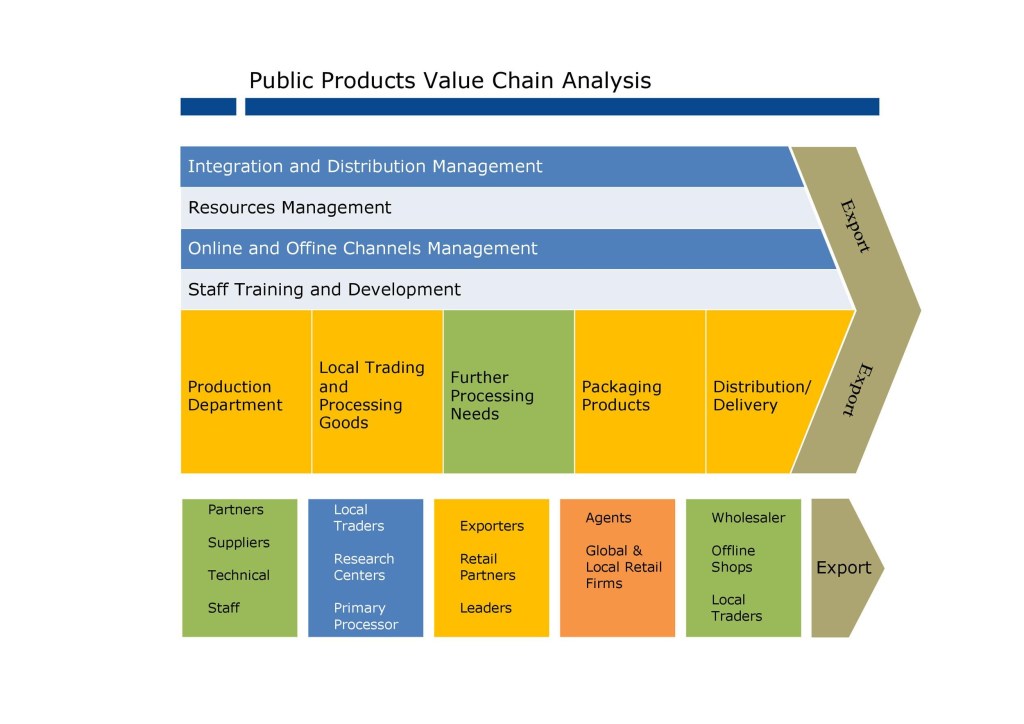
Here are examples of processes that define your company:
- Get Orders: This is how you attract, engage, and convert prospects into customers. It involves marketing, sales, and customer service.
You can use online advertising, social media, email campaigns, webinars, trade shows, cold calls, referrals, testimonials, discounts, loyalty programs, etc. to get orders from your target market. - Develop and Improve: This is how you create and enhance your products and services to meet customer needs and expectations. It involves research, design, engineering, and testing.
You can use surveys, feedback forms, focus groups, user testing, prototyping, agile methods, quality assurance, etc. to develop and improve your products and services. - Buy: This is how you acquire the resources and inputs you need to operate. It involves procurement, logistics, and inventory management.
You can use market research, supplier evaluation, contract negotiation, order placement, delivery tracking, stock control, etc. to buy the materials, equipment, software, etc. you need for your business. - Manufacture: This is how you produce your products and services. It involves production, quality control, and installation.
You can use production planning, scheduling, automation, inspection, packaging, shipping, installation guide, etc. to manufacture your products and services. - Supply : It refers to all the operations and steps related to the delivery of products or services from the purchase of raw materials or goods to the distribution of the final product.
You can use order fulfillment, delivery confirmation, warranty service, repair service, spare parts supply, customer satisfaction survey, etc. to supply your products and services. - Manage HR: This is how you manage your most valuable asset: your people. It involves recruitment, training, performance evaluation, and retention.
You can use job posting, screening, interviewing, hiring, orientation, training program, performance appraisal, feedback, incentives, benefits, etc. to manage your employees. - Innovate: This is how you create new value for your customers and stay ahead of the competition. It involves research, development, and testing.
You can use brainstorming, ideation, innovation funnel, pilot project, beta testing, launching, etc. to innovate your products and services.
“You need to choose wisely: which two to five metrics best reflect the overall performance of the value stream?”
Karen Martin
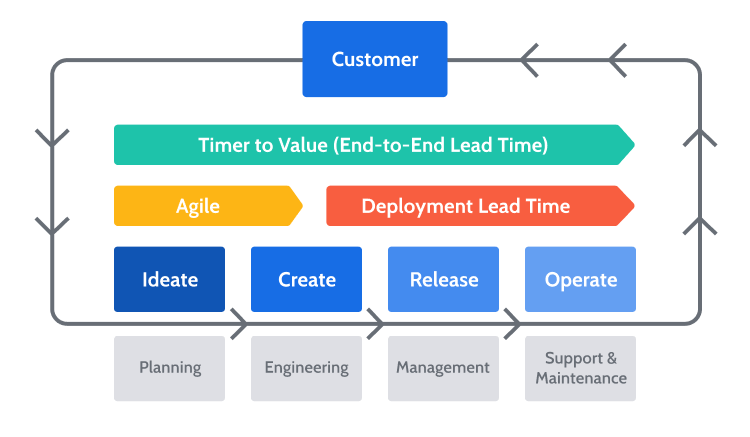
Processes are not fixed or isolated. They are interconnected and adaptable.
They also involve risks that need to be identified and managed.
By focusing on processes instead of services, you will be able to optimize the overall value delivered to your customers, improve their efficiency and effectiveness, and achieve higher performance and satisfaction for your company.
They also reduce the risk of silos and conflicts among different departments and functions.
Nissan business case : Nissan used communication, consistency, and frequency to make sure the journey model stayed on its radar. Nissan also used Slack across markets and time zones, with more than 1,000 very active users. Nissan recognized that it needed to make journey-centricity an enterprise-wide capability.
We think you should follow the example of the successful companies that have adopted this process-oriented approach and simplify your global process management model by services.
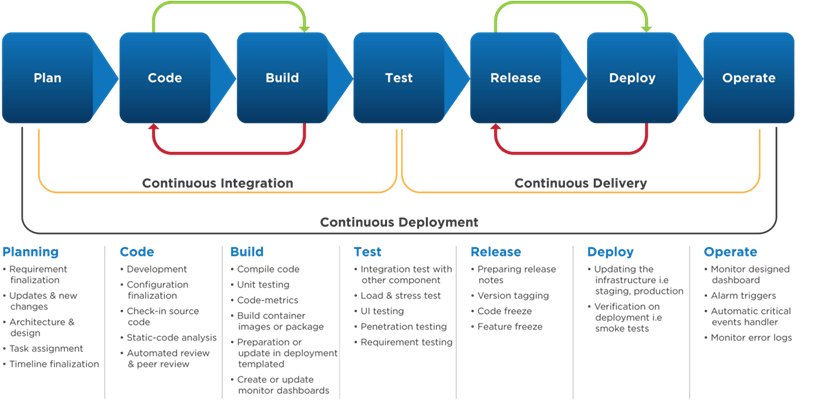
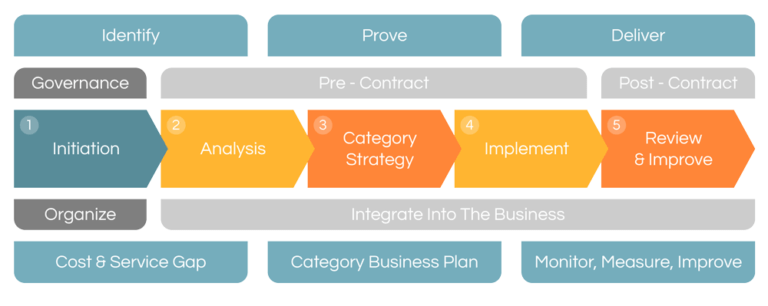
You can start by identifying the four main processes that define your company, and aligning your activities and resources around them.
This way, you will be able to achieve your goals faster and better, and stay ahead of your competitors.
This is the smart way to run a business, and we hope you will be embracing it.
This is the way of the future, and you can be part of it.
In summary, Unlocking business success: Navigating the Value Stream for maximum customer value
- One of the key lessons we’ve learned from running companies is the absolute necessity of having a crystal-clear vision of the value we’re delivering to our customers and understanding the precise mechanisms through which we are delivering it.
- A significant trend we’ve keenly observed involves many highly successful tech companies deliberately moving away from the traditional, siloed structure of departments and functions in favor of a more holistic and process-oriented approach that spans the entirety of their organization.
- It’s paramount to recognize that, in the current business landscape, the primary focus should squarely rest on consistently delivering exceptional value to customers, a goal that necessitates a profound shift in both our thinking and operational strategies.
- Instead of rigidly organizing our company around static services or functions, we must reframe our perspective and envision our organization as a dynamic system of interconnected processes, where these processes are the active drivers of value creation and invariably traverse departmental boundaries.
- These processes, significantly, are dynamic entities that are intrinsically linked and adaptable, and they inherently come with a set of associated risks that need to be identified and effectively managed.
- When we delve into the key processes that truly define our company, they manifest as active verbs rather than passive nouns, each playing a critical role in delivering value:
- “Get Orders” to attract, engage, and convert prospects into customers.
- “Develop and Improve” to continuously enhance our products and services to meet evolving customer needs.
- “Buy” to procure the necessary resources and inputs required for our operations.
- “Manufacture” to meticulously produce our products and services, ensuring quality and efficiency.
- “Manage HR” to effectively oversee and optimize our most valuable asset: our people.
- “Innovate” to create novel value propositions for our customers and maintain a competitive edge.
- A shift in focus towards these processes, rather than static services, has a transformative impact on the overall value we deliver to our customers, enhancing efficiency and effectiveness while simultaneously reducing the likelihood of departmental silos and conflicts.
- Our recommendation is to simplify the global process management model by homing in on the four main processes that distinctly define our company and aligning our activities and resources cohesively around them.
- This approach, without a doubt, represents the most astute and forward-thinking manner in which to operate a 21st-century business, and we extend an invitation to join us in embracing this innovative paradigm, as it undoubtedly represents the path to success in the future of business.
“Value stream mapping provides a clear view of the customer and holistic ways to clearly see how traditionally disparate parts of the organization are interconnected, which can serve as a catalyst for reorganizing along value streams.“
Karen Martin
References :
- Consistency and Replication
- Agility to action: Operationalizing a value-driven agile blueprint
- 37 Effective Value Chain Analysis Templates
- Is Application Lifecycle Management (ALM) Still Important?
- Introduction to CI/CD for infrastructure engineers 1 インフラエンジニアのためのCI/CD 入門 1
- Strategies for Procurement Transformation
- Quality control engineering
 Happy CEO