
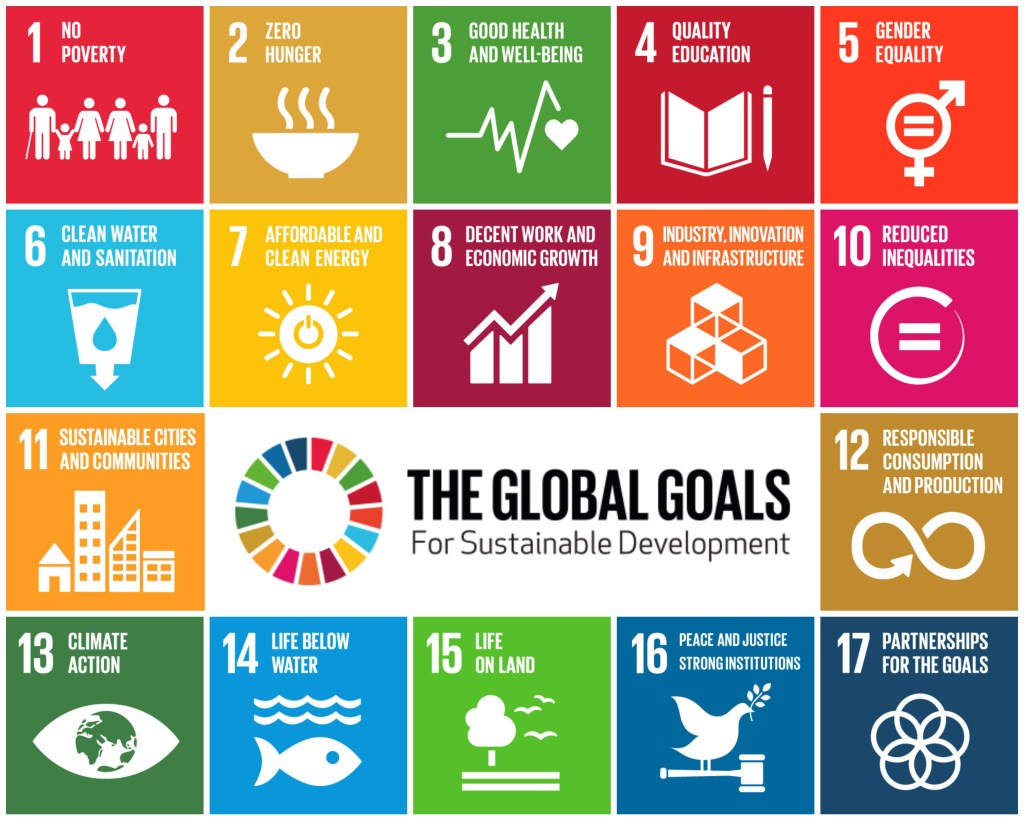
Leading companies are increasingly adopting more social and environmental concerns in their long-term (2030-2050) corporate innovation strategies, such as employee well-being, humanism, carbon neutrality, and sustainable development goals.
“We have the capacity to create a remarkably different economy: one that can restore ecosystems and protect the environment while bringing forth innovation, prosperity, meaningful work, and true security.”
Paul Hawken
Why we do what we do
These concerns are based on the question of “why we do what we do” and the need to be inspired by our work, as suggested by Sinek (2009) in his book “Start with Why”.
Sinek (2009) argues that companies should have a vision that makes sense for humanity and align their missions and actions with it. This vision can help them overcome crises and attract customers who share their values.
“Innovation is the vital energy that allows a society to regain the initiative, not to decline, to renew itself.”
Mikko Koria
Therefore, large companies must constantly innovate to survive crises and invest in long-term sustainability.
This requires continuous improvement and learning from failure, which transform the organization into a learning company. The key factor for this transformation is the human resource, which must be engaged, creative, and collaborative.
The HR strategy should aim to foster these qualities and facilitate the sharing of knowledge and best practices among employees. In this way, people are put back in the center of the system.
One of the keys to successful companies is the sharing of knowledge and best practices among employees, which can make the collective force more agile.
However, this raises the question of how to attract, train, retain, nurture and renew an intelligent collective and make it a long-term asset for the company.
Sustainable innovation: a challenge and an opportunity for large companies
Another question is what values should be shared with the collective to ensure sustainability.
Some possible values are initiative, entrepreneurship, and participation in “a collective innovation project with meaning”, which is the highest criterion for engagement in the company according to a Gallup study (n.d.).
Moreover, large groups have to deal with the challenge of internationality in their innovation strategies. They have to design products that take into account multicultural factors from the outset. They also have to pursue innovation acquisition strategies through external growth and supply chain innovation strategies that are hyper-internationalized and risky due to just-in-time conditions.
17 sustainable development goals
The 17 UN Sustainable Development Goals guide the long-term innovation strategies of leading companies, also known as the 17 Sustainable Development Goals (SDGs). They are a call for action by all countries to promote prosperity while protecting the planet. They cover various aspects of social, economic and environmental development, such as poverty, hunger, health, education, gender equality, energy, climate change, peace and justice.
- End poverty in all its forms everywhere
- End hunger, achieve food security and improved nutrition and promote sustainable agriculture
- Ensure healthy lives and promote well-being for all at all ages
- Ensure inclusive and equitable quality education and promote lifelong learning opportunities for all
- Achieve gender equality and empower all women and girls
- Ensure availability and sustainable management of water and sanitation for all
- Ensure access to affordable, reliable, sustainable and modern energy for all
- Promote sustained, inclusive and sustainable economic growth, full and productive employment and decent work for all
- Build resilient infrastructure, promote inclusive and sustainable industrialization and foster innovation
- Reduce inequality within and among countries
- Make cities and human settlements inclusive, safe, resilient and sustainable
- Ensure sustainable consumption and production patterns
- Take urgent action to combat climate change and its impacts
- Conserve and sustainably use the oceans, seas and marine resources for sustainable development
- Protect, restore and promote sustainable use of terrestrial ecosystems, sustainably manage forests, combat desertification, and halt and reverse land degradation and halt biodiversity loss
- Promote peaceful and inclusive societies for sustainable development, provide access to justice for all and build effective, accountable and inclusive institutions at all levels
- Strengthen the means of implementation and revitalize the global partnership for sustainable development
“Sustainable development is the development that meets the needs of the present without compromising the ability of future generations to meet their own needs.”
Gro Harlem Brundtland
References:
Gallup (n.d.) Employee engagement. Available at: https://www.gallup.com/workplace/232955/employee-engagement.aspx (Accessed: 24 April 2023).
Giget, M. (n.d.) Long-term corporate innovation strategies. Available at: https://www.innovation-review.eu/long-term-corporate-innovation-strategies/ (Accessed: 24 April 2023).
Koria, M. (n.d.) Innovation is the vital energy that allows a society to regain the initiative. Available at: https://www.innovation-review.eu/innovation-is-the-vital-energy-that-allows-a-society-to-regain-the-initiative/ (Accessed: 24 April 2023).
Sinek, S. (2009) Start with why: how great leaders inspire everyone to take action. New York: Portfolio.
17 Sustainable Development Goals (SDGs). https://sdgs.un.org/goals.
 Happy CEO